
GL Shine: Elevating Sales Performance through Strategic Product Design
Overview: Increasing Operational Efficiency via Product & Automation
The GL Shine project was a critical strategic initiative aimed at revolutionizing our sales operation. The core challenge was a persistent disconnect between achieving enrollment targets and maintaining Standard Operating Procedure (SOP) compliance, exacerbated by inefficient legacy tools.
Our mandate was to design and launch a sophisticated, unified platform, GL Shine v3, that would fundamentally empower our sales force, align compliance with performance, and deliver measurable business value.
My Leadership & Strategic Role
As the Lead UX Designer, my role was to diagnose the root cause of systemic failure, specifically, why two previous attempts had failed. My primary objective was to halt the cycle of ineffective solutions by deeply understanding user behavior and procedural gaps, establishing a robust, user-centered UX strategy that bridged the divide between sales autonomy and organizational compliance.
Deep-Dive: Research & Foundational Insights
During this phase, I conducted in-depth research with approximately 30 Learning Consultants (LCs), along with 4–5 Managers and 2–3 Business Unit (BU) Heads. Using both qualitative and quantitative methods, we gathered valuable insights that directly shaped the UX direction for GL Shine v3.
While specific data remains confidential under NDAs, the following themes summarize the most impactful findings that guided the redesign:
SOP Compliance Challenges
LCs and managers struggled to consistently adhere to SOPs due to operational hurdles and conflicting priorities.
Enrollment vs. SOP Focus
A noticeable behavioral pattern showed that achieving enrollment targets often took precedence over maintaining SOP compliance.
Lead Prioritisation
Lead tracking and prioritisation were primarily driven by instinct and manual spreadsheets, mixing engagement scores and personal judgment.
Tool Integration Challenges
Existing systems like LeadSquared lacked seamless integration with GL Shine, creating inefficiencies and inconsistent workflows.
UX & Workflow Improvements
Stakeholders emphasized the need for a unified platform offering visibility, actionable insights, and simplified daily workflows for LCs, managers, and BU heads.
💡 Key Highlight
The failure of previous versions stemmed from excessive rigidity that restricted Learning Consultants' (LCs) decision-making autonomy. The new design philosophy focused on empowerment through guided flexibility — enabling informed discretion while automating compliance where possible.
These insights became the foundation of our new UX direction: a system that aligns SOP compliance with enrollment goals, enhances lead management efficiency, and ultimately drives higher sales performance and user satisfaction.
Design Strategy: Empowering the Sales Force
The strategy was executed via two targeted UX decisions: addressing the user's viewing environment and workflow friction.
1. The "Sovereign Posture" UX (Visual Efficiency)
- Adopted a minimalist, data-dense layout optimized for low-end laptops.
- Reduced visual clutter through compact typography and vertical scrolling.
- Impact: Boosted LC productivity by 50–80%.
2. Phasing Out the Legacy Tool (Workflow Continuity)
- Replaced multi-tab workflows with a single in-tab interaction model.
- Phased migration over two stages to ensure adoption and continuity.
- Impact: Reduced inefficiency and saved ₹50 crore annually in tool costs.
The GL Shine initiative focused on harmonising SOP compliance with enrolment goals, improving lead management efficiency, and enhancing overall sales performance through a reimagined product experience.
The upgraded platform integrates essential input metrics, provides clear visibility, and delivers actionable insights to empower decision-making across all sales roles.
Goal
To create a user-centric platform that empowers Learning Consultants (LCs) to make informed decisions, streamline workflows, and drive measurable sales performance.
Target Audience
Learning Consultants (LCs), Managers, Sales Leaders, and Business Unit (BU) Heads, each with distinct goals and challenges. The platform was designed to support all these roles within the sales ecosystem.
General Tasks
- Enable LCs to prioritise leads effectively using data such as marketing source, engagement score, and conversion probability.
- Streamline SOP compliance tasks without compromising autonomy or performance goals.
- Provide real-time visibility into key sales metrics and team performance for managers and BU heads.
- Deliver actionable insights to enhance efficiency, decision-making, and standardisation across teams.
Technical Constraints & Design Decisions
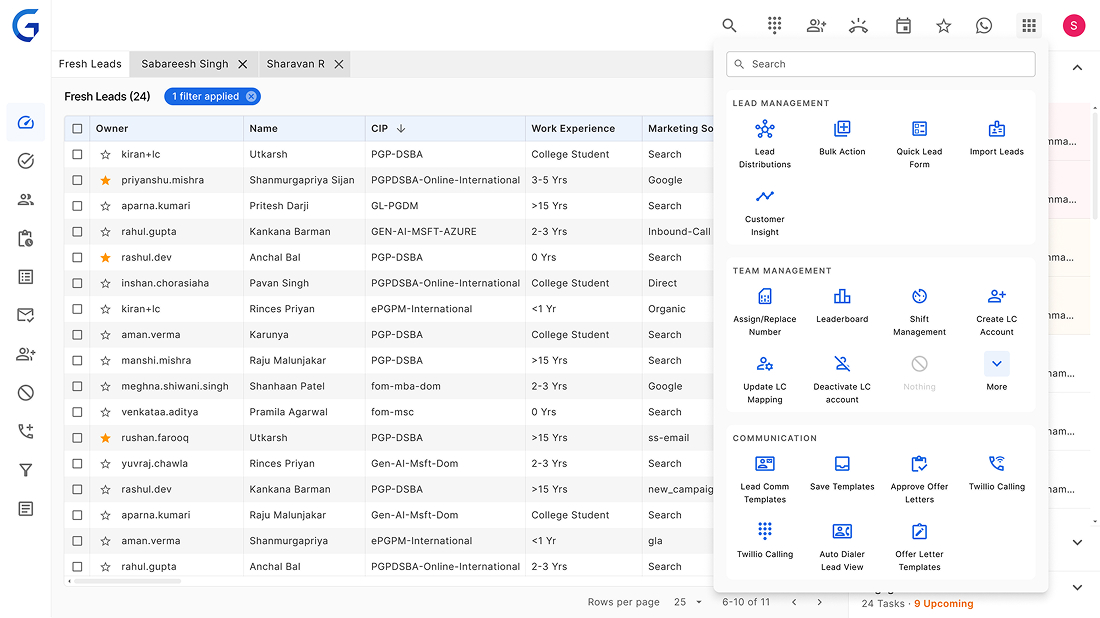
Research revealed that Learning Consultants (LCs) primarily work on low-end laptops with basic trackpads, often avoiding mouse use. This shaped a scroll-optimized experience with minimal horizontal movement.
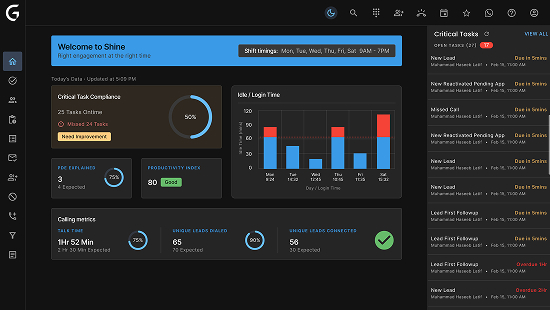
Due to their "sovereign posture" — a preference for viewing dense data on a single screen — the UI employed smaller fonts, compact layouts, and limited color use for visual efficiency.

The existing tool, LeadSquared, posed major UX challenges, opening multiple tabs (up to 30 at times) during lead interactions. This created cognitive overload and fragmented workflows.
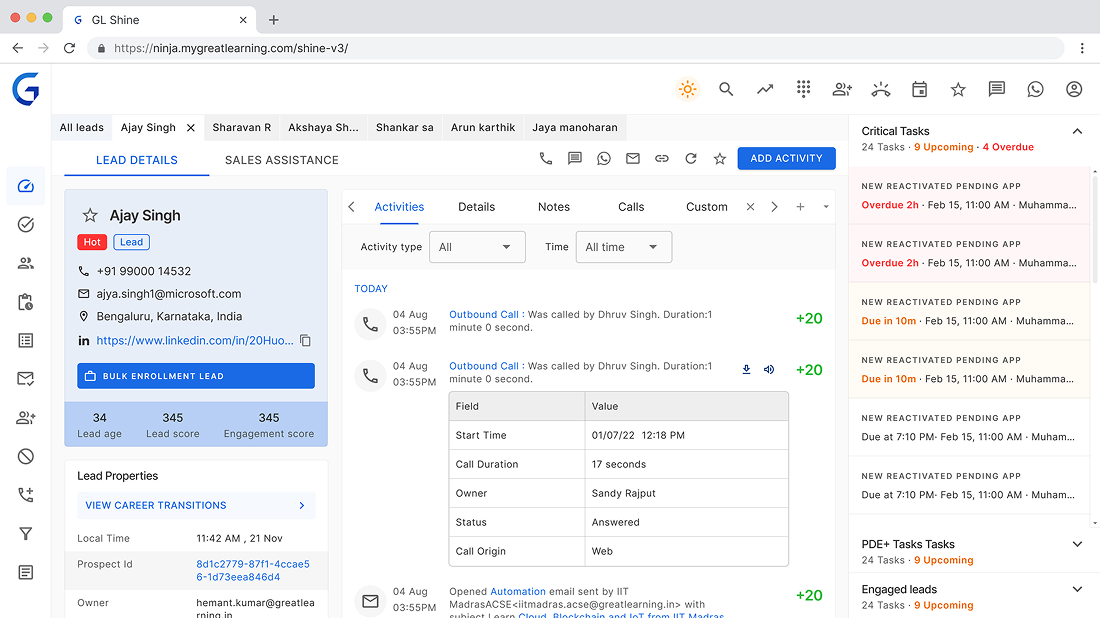
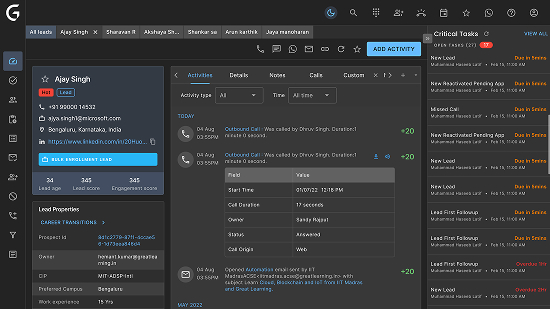
To address this, an in-tab interaction model was designed, allowing multiple lead views in a single interface. LeadSquared was gradually phased out in two stages, ensuring seamless adoption and workflow continuity.
Design and Implementation
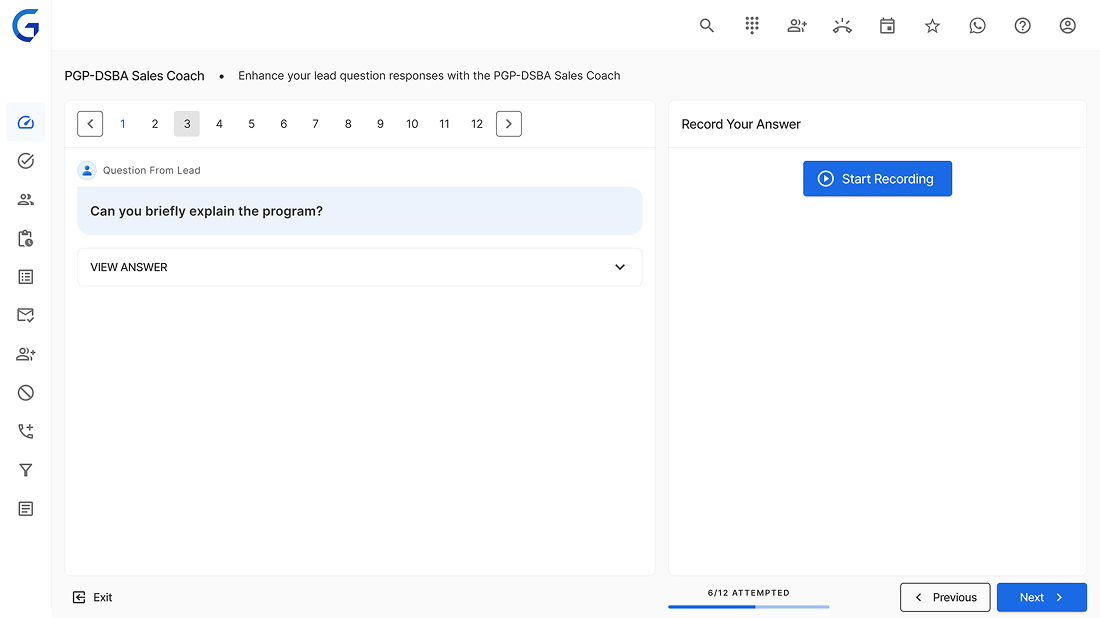
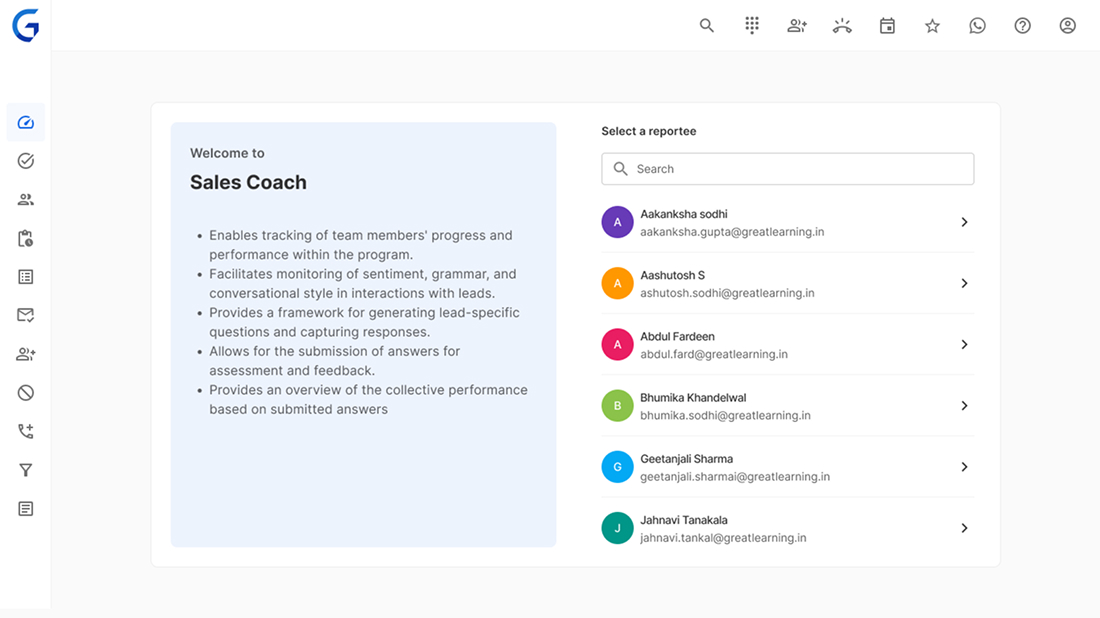
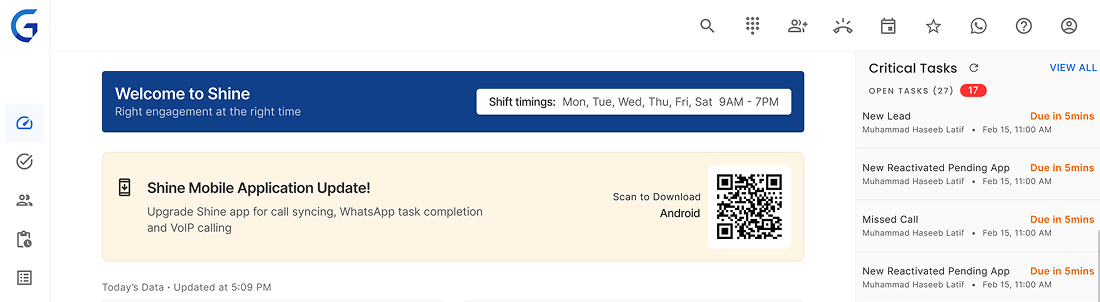
The team leveraged the MUI (Material-UI) library for consistency, accessibility, and speed. Both light and dark themes were introduced to accommodate diverse work shifts and environments.
The dark theme improved readability and reduced eye strain for night-shift users. Integration and testing ensured smooth adoption and consistent experiences across screens.
Delivery and Post-Delivery Activities
Given the aggressive timeline, a live observation-based usability process replaced formal studies. Rapid iteration on real-time feedback helped identify friction points instantly.
I wasn't able to conduct a formal usability study before the release. Instead, I, along with other product team members, observed numerous LCs (Learning Consultants) on the floor while they were using the product. This observation led to the identification of several areas for improvement, which we promptly addressed.
- Collaborated with training teams to embed learning modules within Shine.
- Realized ₹50 crore annual savings through elimination of third-party tools.
- Boosted LC productivity by 50–80% and achieved 85% SOP compliance.
- Floor satisfaction reached an impressive 4.65 / 5.
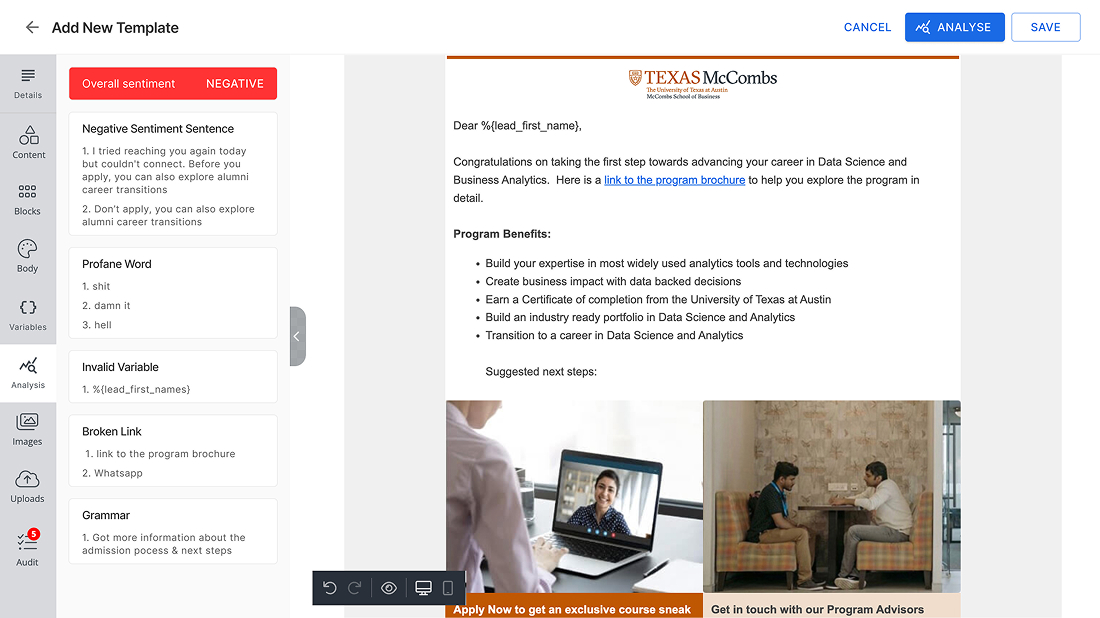
This success instilled confidence in us to introduce further productivity enhancements, such as
auto-dials, email management, SMS management, and auditing capabilities utilising AI technology. The project was
deemed a huge success both from a business perspective and in terms of user satisfaction on the floor.
👏 Thanks a ton, Team! Our journey from product conception to implementation was like riding a rollercoaster,
full of twists and turns. Despite not having the luxury of a formal usability study, our 'on-the-floor'
observations and quick tweaks worked wonders. Your dedication and adaptability saved us millions and boosted
productivity beyond expectations. Cheers to our quirky and successful ride together!
"Despite the absence of a formal usability study, our on-the-floor observations and quick iterations saved millions and drove measurable impact. Cheers to our adaptive, user-focused ride together!"